What if your farm fence could take root?
A New York demonstration is testing a woven living hedge. The useful story is in the questions it plans to measure.
A boundary that grows
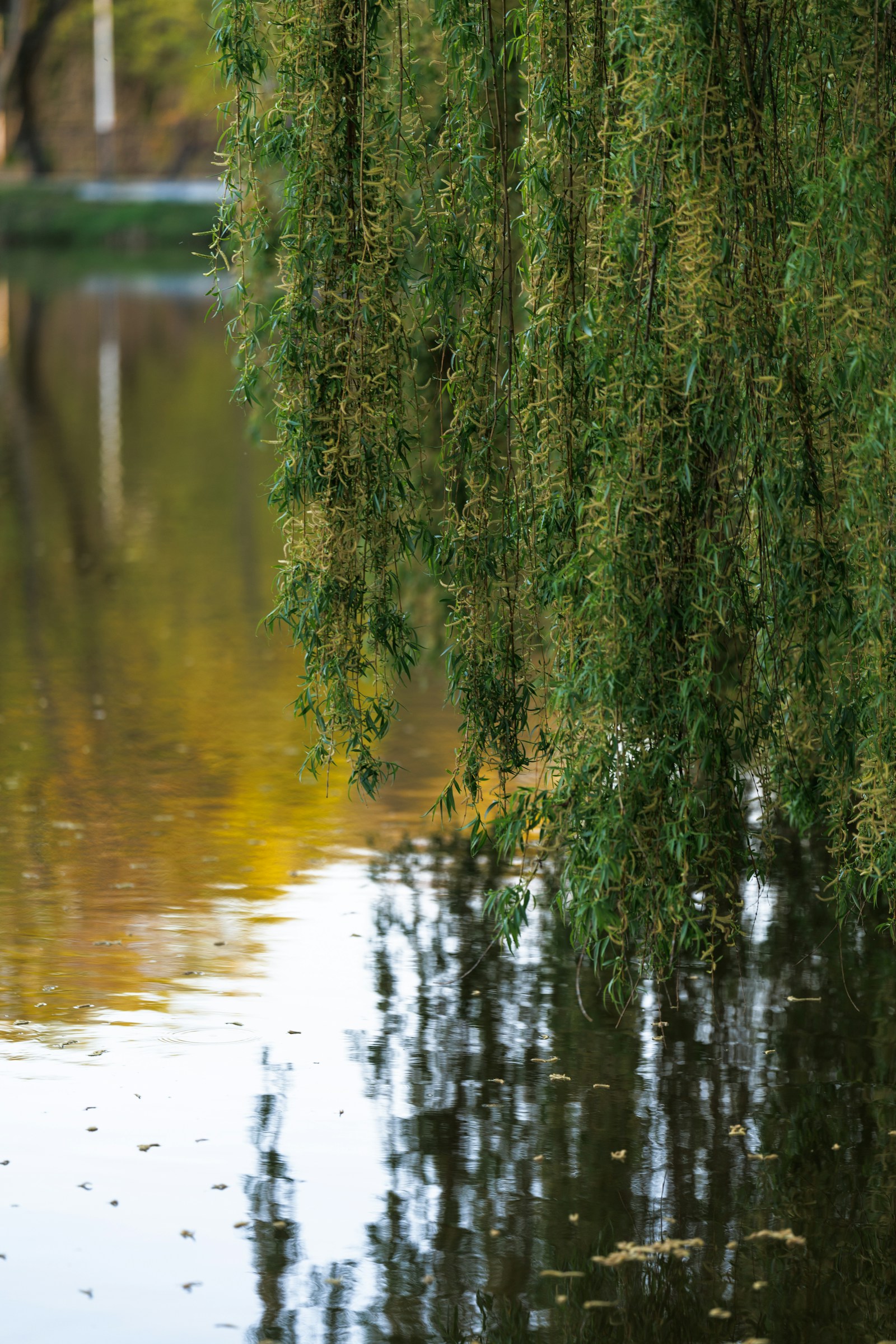
A SARE-funded project at Arboris Farm in Cambridge, New York, proposes more than 500 feet of living hedge made with willow and poplar live stakes woven into a lattice. Instead of treating every upright as an inert post, the design asks some of the structure to root and grow. It is a 2026 research project with planned results, not a completed proof.
Read the measurements before the promise
The proposal plans to track rooting survival, establishment timelines, structural development and protection from livestock while the hedge gets established. It also plans a cost-per-foot comparison with manufactured fencing. Those are useful questions because a planted boundary has to become functional under real farm conditions, not simply look convincing at installation.
Give a trial a defined job
Our suggested planning exercise is to describe one small boundary before selecting a plant. Is its purpose to separate animals, mark a path, shelter a crop or define a visitor area? Write down the requirement in language someone else could inspect. A demonstration can then be judged against the job it was meant to do.
Count the work you are taking on
For an exploratory farm trial, we would keep a log with installation labor, replacement plants, watering, pruning, temporary protection and the date the boundary is first used for its intended purpose. This is a proposed recordkeeping framework, not a report of the Arboris project’s actual costs. It makes the ongoing work visible alongside the initial materials.
Follow the experiment, then adapt carefully
The most useful next step is to follow the project’s published results and technical guidance as they become available. Species selection, local suitability and containment performance still need their own evaluation. Do not assume a species list from a New York proposal is appropriate for a New Jersey site. Farm Guild Connect’s interest is in knowledge growers can test, document and share without turning an appealing idea into an unearned guarantee.
Read the original sources
SARE project ONE26-487: The Arboris Living Hedge System ↗Sources checked October 22, 2026. Time-sensitive details should be checked again before acting.
There is more to discover.