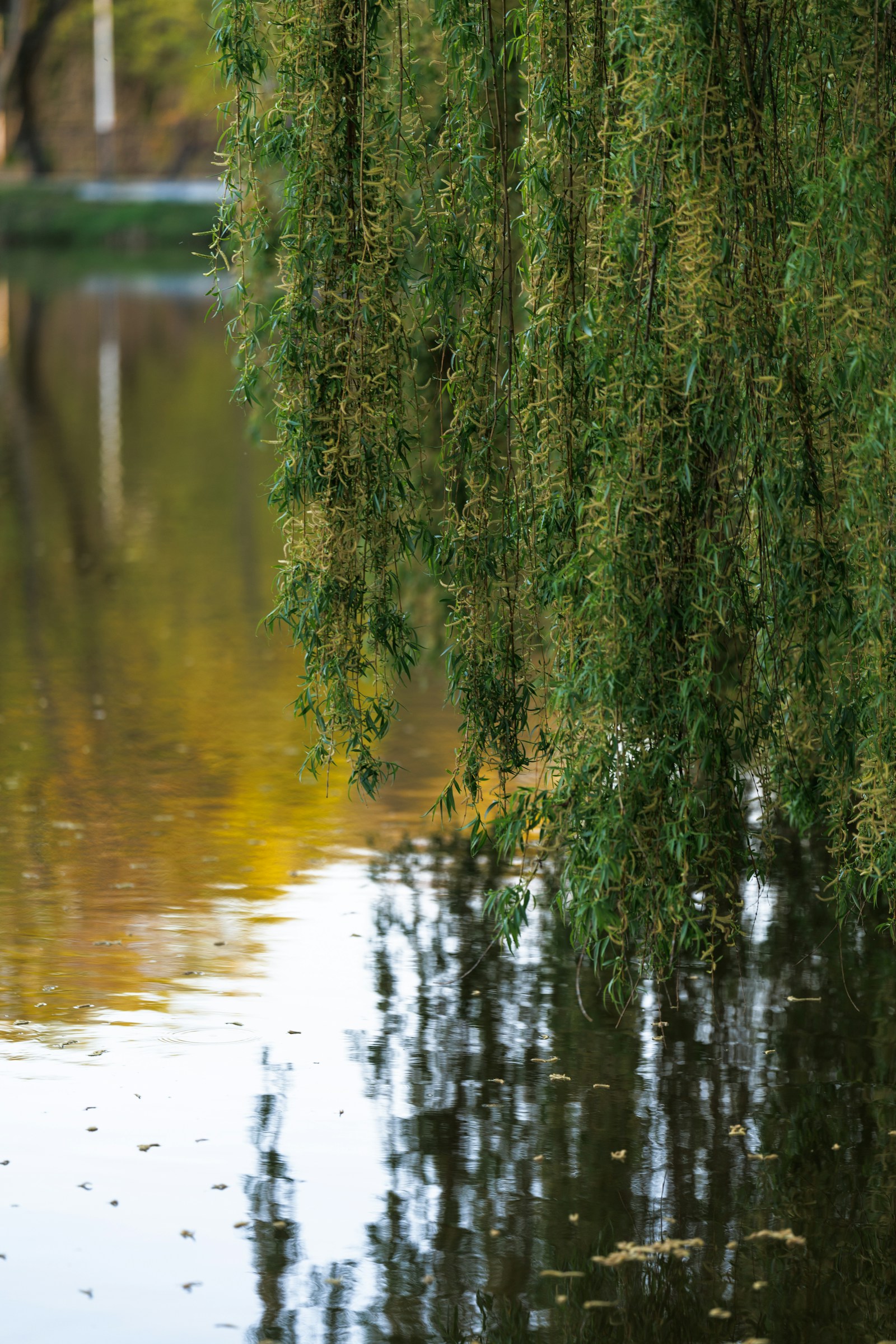
What if your farm fence could take root?
A New York demonstration is testing a woven living hedge. The useful story is in the questions it plans to measure.
Read the story ↗Farm Guild Connect is a regional network that connects farmers with each other, markets, mentors, land, skills, technology, buyers, collaborators, and practical knowledge—turning fragmented resources into real agricultural opportunity.
Farmers often need several things at once—land, labor, buyers, equipment, business help, technical knowledge, mentorship, and market access. Farm Guild Connect is designed to make those connections actionable instead of leaving them scattered across separate systems.
Farmers, mentors, landowners, buyers, workers, specialists, processors, service providers, and partner organizations.
New products, farm businesses, marketing systems, practical trades, ecological methods, and local supply chains.
Equipment, infrastructure, customers, field experience, mentorship, lessons learned, and useful local contacts.
More farm income, stronger markets, agricultural employment, beginning-farmer pathways, and productive land use.
Document what works so additional regions can build their own guilds without starting from scratch.
Support practical ecological stewardship and preserve land-based knowledge with modern productive value.
The guild is not just a directory or social feed. It is a structured loop for turning local relationships into measurable farm outcomes.
The first Farm Guild Connect pilot is being developed for the Delaware Valley / Mid-Atlantic region. Local guilds are intended to meet in person while staying connected through a broader regional network and digital support layer.
Farmers propose small, practical experiments around real business and production opportunities. The guild helps connect resources and tracks whether the idea actually creates value.
Coordinated preorder campaigns, cooperative promotion, farm bundles, buyer outreach, and regional sales experiments.
Value-added goods, nursery crops, local natural materials, specialty crops, ecological products, and practical traditional trades.
Equipment, delivery routes, processing resources, storage, farm workspaces, and enterprise hosting.
Test workshops, tours, seasonal events, pick-your-own, demonstrations, or other experiences primarily as farm-income strategies.
Websites, e-commerce, preorders, CRM, online marketplaces, AI-assisted business tools, pricing, and better digital workflows.
Cost, labor, revenue, jobs, customer demand, profitability, adoption, and replication potential—not activity for its own sake.
Beginning farmers should not have to solve land, mentorship, markets, capital, and business development alone. Farm Guild Connect is designed to create multiple pathways into farming.
Farm Guild Connect is being developed as a proposed 36-month Northeast SARE Farming Community Grant pilot across New Jersey, Pennsylvania, and Delaware. Funding has not been awarded. The project would test a practical regional guild model and document what other farming communities can adapt.
These are working pilot goals, not achieved outcomes.
The pilot asks whether peer mentorship, enterprise and market assistance, and land, labor, and opportunity matching improve economic security, occupational well-being, employment opportunity, and farmers’ ability to remain in agriculture.
Mentorship and knowledge transfer; market and enterprise development; and land, labor, and opportunity matching—delivered through farmer-led local groups with regional coordination.
Baseline and 12-, 24-, and 36-month follow-ups would combine participation records, network mapping, interviews, enterprise records, and aggregate occupational well-being data.
The application is being refined now. The project still needs a qualified host organization and Project Leader/PI, a research and evaluation partner, regional implementation partners, farmer interviews and testimonials, supporting citations, and a detailed budget.
A strong guild is built across sectors while remaining farmer-centered.
Established farmers, beginning farmers, farm employees, nurseries, producers, and diversified agricultural enterprises.
Extension, universities, nonprofits, land-access groups, municipalities, conservation groups, and service providers.
Buyers, processors, distributors, retailers, restaurants, wholesalers, makers, and local manufacturers.
Send your introduction by email. Complete the form, review the prepared message in your email app and send it. We reply by email.
FROM THE GUILD JOURNAL
A New York demonstration is testing a woven living hedge. The useful story is in the questions it plans to measure.
Read the story ↗