The harvest clock starts before the produce reaches the cooler
Cooling begins with a workflow, not a room thermostat. Follow field heat from harvest to storage and try a practical three-time-stamp log.
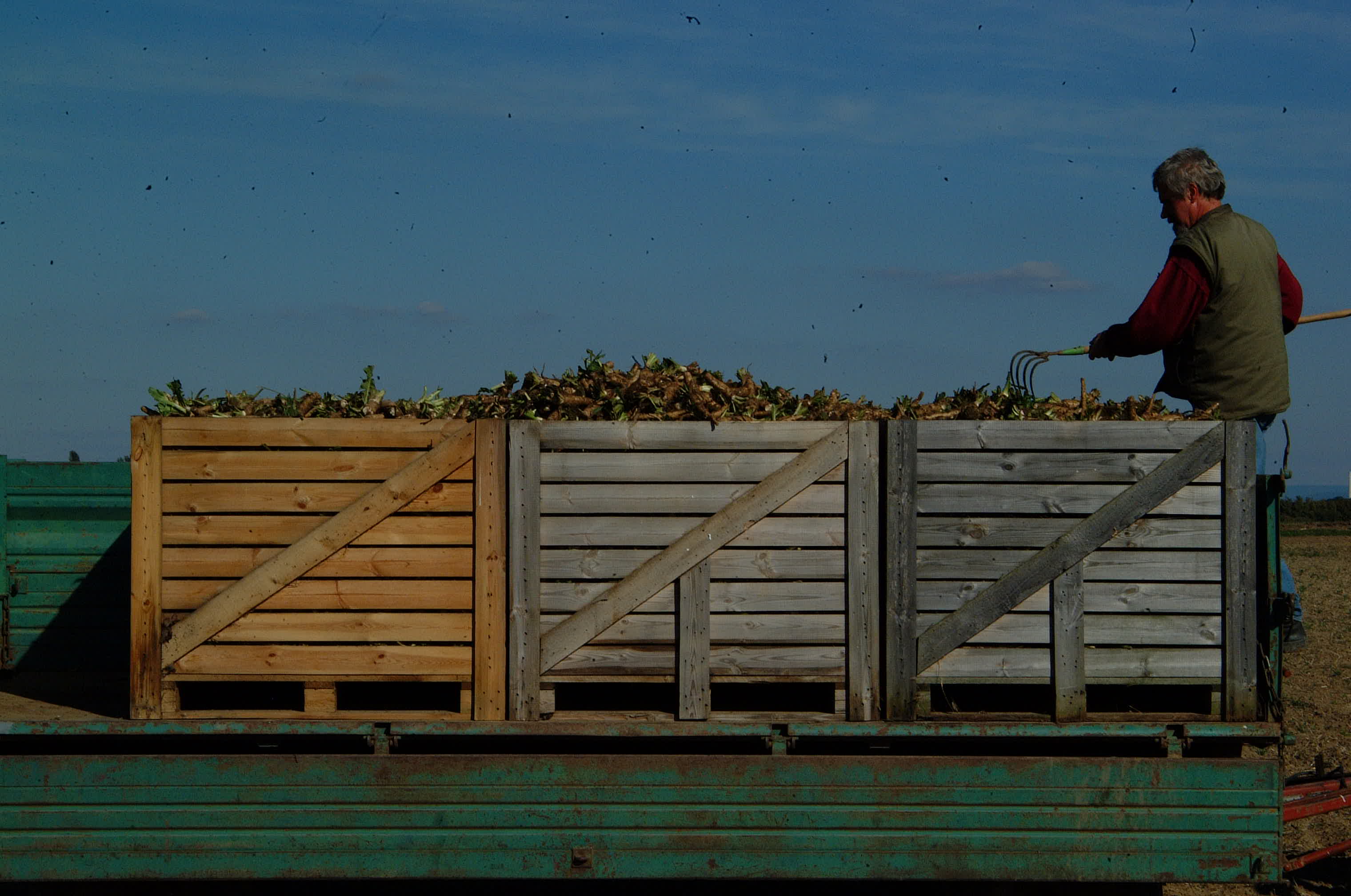

A grower can spend months perfecting the soil, the crop plan and the harvest date, then lose much of that care in the few hot hours after picking. The crop is no longer attached to its plant, but the tissue remains alive. It continues to respire and lose water. Temperature determines how quickly the clock runs.
This is why the best postharvest investment may not be another field input. It may be a faster route from field heat to appropriate storage.
WHAT IS FIELD HEAT? Field heat is the warmth produce carries at harvest. A crate picked at midday has a very different starting condition from one harvested in cool morning air. After picking, respiration consumes stored carbohydrates and produces heat; transpiration can reduce weight and crispness. Simply bringing a warm crate into a refrigerator does not mean the product instantly reaches refrigerator temperature. Airflow, packaging, stacking and the cooling method determine how quickly the center cools.
University of Minnesota Extension recommends removing field heat promptly and choosing a cooling method appropriate to the crop. It distinguishes air cooling, water cooling and ice cooling; these are different processes with different practical requirements. Reaching the right condition depends on both the product and the way the load is handled.
EVERY CROP HAS DIFFERENT LIMITS Cold is not automatically good in unlimited amounts. Some crops suffer chilling injury; some need higher humidity than others, while wetting creates separate disease and safety problems for certain commodities. Hydrocooling removes heat efficiently from crops that tolerate it, but a shared water system can also distribute contamination if it is not properly managed. Follow crop-specific extension and produce-safety guidance rather than assuming that soaking is appropriate for every harvest.
A common mistake is to treat one cool room as a magic answer for everything. Better sorting starts with temperature requirements, humidity needs, ethylene sensitivity, water exposure and compatible storage groups. A cold room full of mixed produce can still be badly managed if the commodities conflict.
THE THREE-TIME-STAMP EXPERIMENT A small farm can learn a great deal without an expensive sensor network. For three harvest days, note the time each crop is cut, packed and placed into active cooling. If possible, measure product temperature with a food-safe method appropriate to the commodity when it enters the cool chain and after a defined interval. Compare field location, crate depth, exposure to direct sun, packing method and product condition at delivery.
The exercise is not about claiming that every delay causes the same loss. It is about making avoidable warming visible. A canopy, shaded harvest bins, less time on a parked truck and a clearly organized packing sequence may yield practical improvements before major equipment investments.
WHAT COOPERATIVE GROWERS CAN SHARE Farm Guild Connect could turn this into a regional knowledge exchange: what cooling methods are feasible at different farm scales? Which commodities require different handling? Can neighbors coordinate shared cold storage, transport or technical guidance without compromising food-safety responsibility? A good network does more than exchange sales leads. It helps growers identify the overlooked steps where collective knowledge preserves value.
When evaluating an improvement, calculate the full cost: equipment, power, maintenance, labor, sanitation, packaging and shrink. The least expensive method upfront is not always the least costly per saleable pound. And preserving a harvest has ecological value too: the land, water and labor embedded in spoiled produce cannot be recovered by marketing.
The cooler doorway is not the end of the measurement
Imagine a hypothetical harvest log: the first crate is cut at 9:00, packed at 9:35 and moved into active cooling at 10:20. The entry delay is 80 minutes, but that is not the same as the time required for the produce itself to reach its appropriate storage temperature. A room thermometer records air at one location; it cannot prove the center of a tightly stacked load has cooled. Keep those two observations separate. Otherwise a good-looking room reading can conceal the slowest part of the workflow.
For a practical comparison, choose one crop, one packing method and similar harvest conditions. Use a calibrated instrument and a food-safe sampling procedure suited to that crop, with technical guidance where needed. Record temperature, sampling location, crate position and time without damaging saleable product or introducing contamination. Compare normal production days or suitable planned batches; do not intentionally warm food to create a dramatic experiment. Record starting quality and later saleable yield so an apparent improvement is not simply the result of a better initial harvest.
Draw the route from field to loading point on paper. Mark every waiting place and every time a bin must be moved twice. University of Minnesota Extension's packshed guidance treats shade, washable equipment and an organized workspace as useful infrastructure, including for growers who cannot invest in permanent buildings on rented land. The question is where a modest change removes delay or awkward handling. A covered, clean staging point may help, while shade beneath a bird roost introduces a different problem. Temperature and sanitation have to improve together.
For a shared facility, write down responsibilities before discussing savings: who cleans bins, checks temperatures, handles a failed cooler and separates incompatible crops? How is each farm's lot identified? What happens when everyone arrives at once? These are proposed planning questions for a Farm Guild discussion. Shared equipment saves little if queues, unclear cleaning duties or missing records shift costs onto the next grower. The first cooperative asset could be a well-designed observation log and an agreed workflow, before it becomes a larger refrigerator.
Farm Guild Connect is developing a farmer network for practical methods, knowledge exchange and resilience. This piece is educational, not a claim that a shared cold-chain program is already in operation.
Read the original sources
University of Minnesota Extension: postharvest handling of fruit and vegetable crops in minnesota ↗University of Minnesota Extension: how to build a low cost packshed for vegetable farms ↗University of Minnesota Extension: tips for safely washing vegetables in.html ↗Sources checked October 26, 2026. Time-sensitive details should be checked again before acting.
Farm Guild Connect is developing a New Jersey farmer network for practical knowledge, collaboration and resilient production.
Explore Farm Guild Connect →