The greenhouse curtain that changes the night
A greenhouse can be warm below an energy screen and cold above it. Understanding that temperature split helps growers decide where heat is being lost.

The greenhouse can be two different climates at once. Below a closed thermal curtain, crops may be growing in comfortable air. Just above it, under the roof, the temperature can be close to freezing. That difference is not necessarily a malfunction. It is evidence that the curtain is doing the work it was installed to do.
For a grower, the interesting question is not simply whether a greenhouse is warm. It is where the heat is going, what it costs to keep the crop zone warm, and whether the structure is wasting energy in the spaces where no crop is growing.
The ceiling that moves
Greenhouse energy screens, sometimes called thermal curtains, are movable layers installed beneath the roof. They can reduce the volume of air that must be heated and create an insulating layer between the growing zone and the cold glazing above. Some contain reflective strips that help reduce infrared heat loss.
UMass Extension describes typical heating-cost savings of roughly 30 to 50 percent in many installations. That is a general reported range, not a promise for a particular farm. Savings depend on the crop's temperature requirements, climate, screen material, heating system, controls, edge seals and how many hours the screen can stay closed.
A screen is not the same as adding insulation to a wall. It must open when crops need light, accommodate ventilation and avoid trapping moisture where it causes damage. It is a moving environmental control, not a blanket that can be forgotten.
The temperature split tells a story
UMass describes a cold-night example with around 60 degrees Fahrenheit below a screen and 35 to 40 degrees above it. In a heated commercial greenhouse, that can be the difference between heating the crop zone and heating the entire roof volume.
But gaps can undo the effect. An energy curtain with poorly sealed edges lets warm air escape into the upper space. Heat pipes located above the curtain can also defeat the purpose. The extension guidance emphasizes tight seals, correct pipe placement and maintenance of cables, pulleys and drive mechanisms.
If the temperature above the screen is unexpectedly high, the grower should investigate the heat path rather than assuming the curtain is saving money just because it is closed.
An experiment before a purchase
A small grower considering energy upgrades can start by documenting the present system. On several comparable nights, record outdoor temperature, growing-zone temperature, roof-zone temperature if safely accessible, relative humidity, screen position, heater run time and fuel or electric use.
Compare nights with similar weather, and be honest about confounding factors such as wind, crop density, vent settings and changes in the thermostat. Do not enter unsafe roof spaces or climb greenhouse framing to place a sensor. A safe, manufacturer-approved installation is more valuable than a perfect data point.
For an existing screen, record when it closes and opens. UMass warns that opening a screen too quickly can allow cold air above it to drop onto sensitive plants. Some systems open gradually or wait until sunlight has warmed the upper zone.
The control logic matters as much as the fabric.
The hidden tradeoffs
Screens can reduce heat loss but may reduce light transmission or complicate humidity management. Different weaves are designed for different ventilation systems. Combustibility, fire breaks and building-code requirements are important, especially in structures open to the public. The extension guidance also discusses keeping screens open when snow is predicted, depending on structural and heating design.
A low-cost improvised curtain should not be assumed safe. Materials, supports, fire rating and clearances need review for the actual building.
For a farm business, the economic question is the net value of lower heating costs after capital expense, maintenance, operational labor and any crop-quality consequences. A published payback example is not a substitute for a farm-specific budget.
Measure the heat path, not just the thermostat
The practical lesson is that greenhouse efficiency is a system problem. A screen can be excellent material and still fail because it is operated at the wrong time or leaks around its edges. A basic set of temperature and energy records can reveal more than a sales brochure.
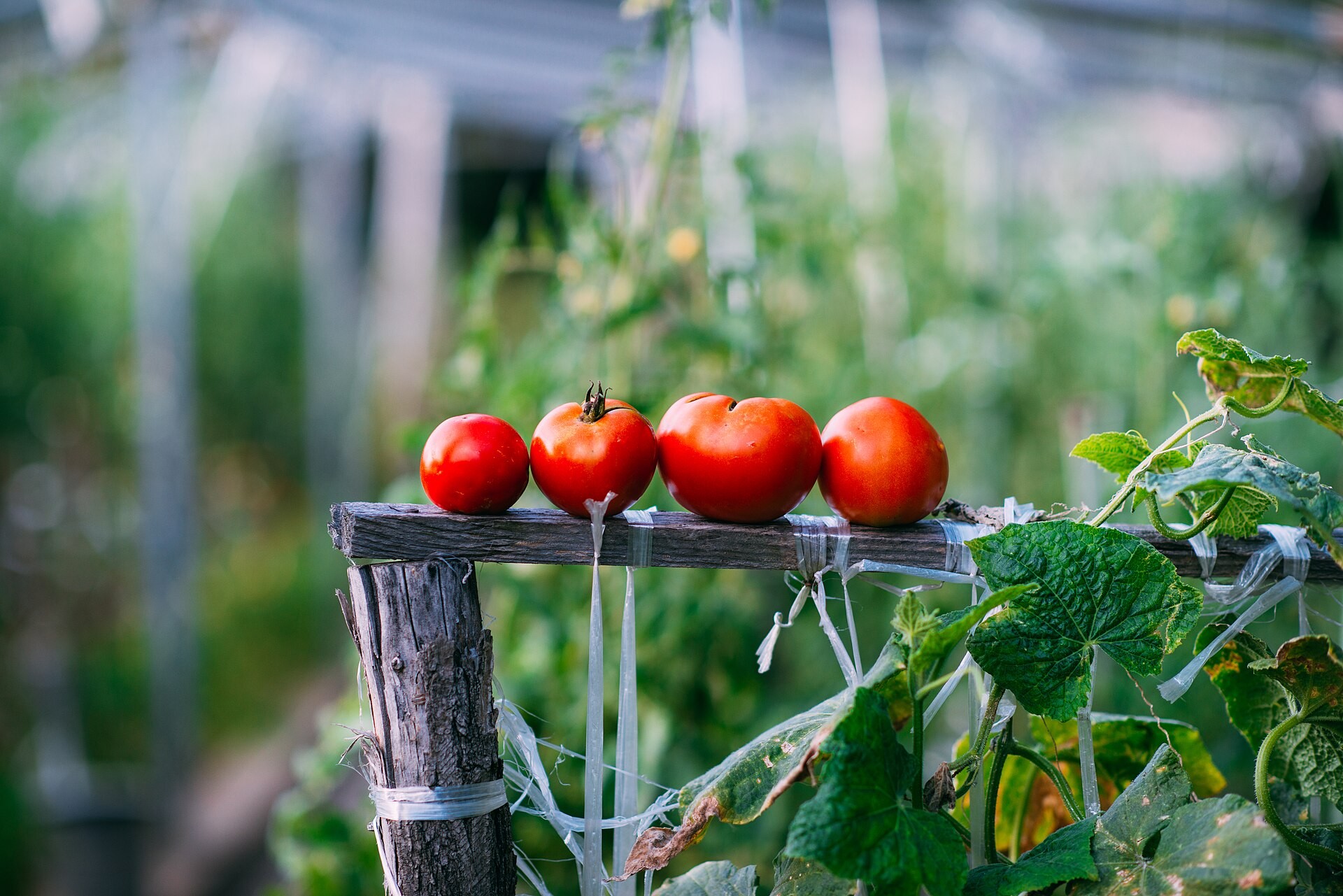
The accompanying photograph illustrates tomato production. It is illustrative and does not document an energy-screen installation or any Farm Guild Connect member farm.
Farm Guild Connect shares useful production and business practices for growers. This is educational analysis, not an engineering design or grant eligibility determination.
Read the original sources
www.umass.edu ↗www.umass.edu ↗Sources checked October 29, 2026. Time-sensitive details should be checked again before acting.
There is more to discover.
Explore more stories →