The American chestnut is still alive. Restoring it is harder.
American chestnut has not vanished from every eastern forest.
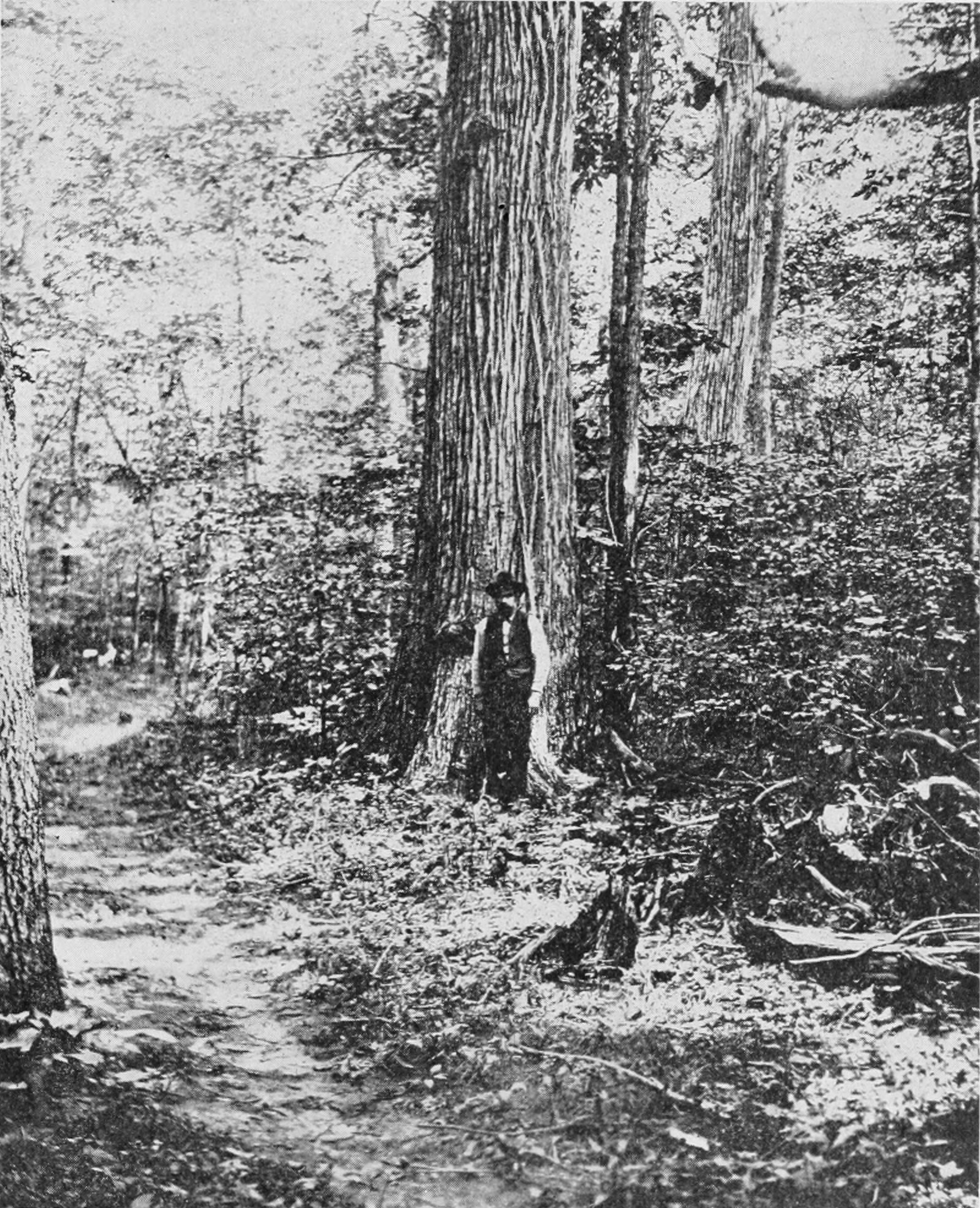

Alive is not the same as restored
American chestnut has not vanished from every eastern forest. The history of chestnut blight is more complicated than a clean before-and-after photograph. Surviving root systems can continue to produce shoots, while disease prevents many of those stems from becoming the mature canopy trees people associate with the species. A small living chestnut is therefore a reason for interest, but not proof that the restoration problem has been solved. For Farm Guild Connect, that distinction connects plant production to the much longer work of rebuilding a functioning population.
A resistant tree is one part of the task
A 2020 Forest Service workshop paper makes its point in its title: restoration will require more than a blight-resistant tree. The authors discuss the species' disease history and the long effort to breed for resistance. Restoration also has to fit actual sites and management. A nursery label cannot establish how a tree will perform over decades on unseen ground. Read the paper as a framework for questions rather than a claim that any current commercial tree has achieved a particular resistance level.
What a grower should ask
Before joining a planting effort, clarify the identity and documented origin of the material, the objective of the planting and what the organizer means by success. Is the aim education, a monitored research planting, nut production or ecological restoration? Those goals can require different records and follow-up. Ask which evidence supports any disease-resistance claim. Keep the distinction between a named breeding program, a hybrid and an unverified sales description visible. This article does not certify a supplier or endorse a particular tree line.
Design the record before the planting day
A regional grower network could contribute by improving continuity. Give each planting an identifier, keep the actual stock information and record where individual trees went. Agree on who will revisit the site and where observations will be stored. Note failures as carefully as survivors. A photograph of healthy leaves in the first summer is useful, but it should remain attached to its date and limited observation. Do not silently replace dead trees and then describe the replacement count as survival of the original planting.
The network can preserve the lesson
The most durable guild contribution may be the information that survives a change in volunteers or land managers. A new participant should be able to understand what was planted, why it was chosen and what happened afterward. That turns a hopeful planting day into an opportunity for cumulative learning. Chestnut restoration is compelling precisely because it joins genetics, nursery practice, disease and long-term stewardship. Keeping the uncertainty visible does not weaken the story. It gives growers a practical role they can carry out honestly, without promising that one species, one supplier or one planting will restore a lost forest.
Read the original sources
USDA Forest Service: Restoration will require more than a blight-resistant tree ↗Sources checked October 24, 2026. Time-sensitive details should be checked again before acting.
There is more to discover.