A root ball can remember its container for years
A tree can leave the nursery and still carry the geometry of its pot. Roots that turn along a smooth container wall may continue growing in an unfavorable pattern, while systems designed to redirect or air-prune roots ca
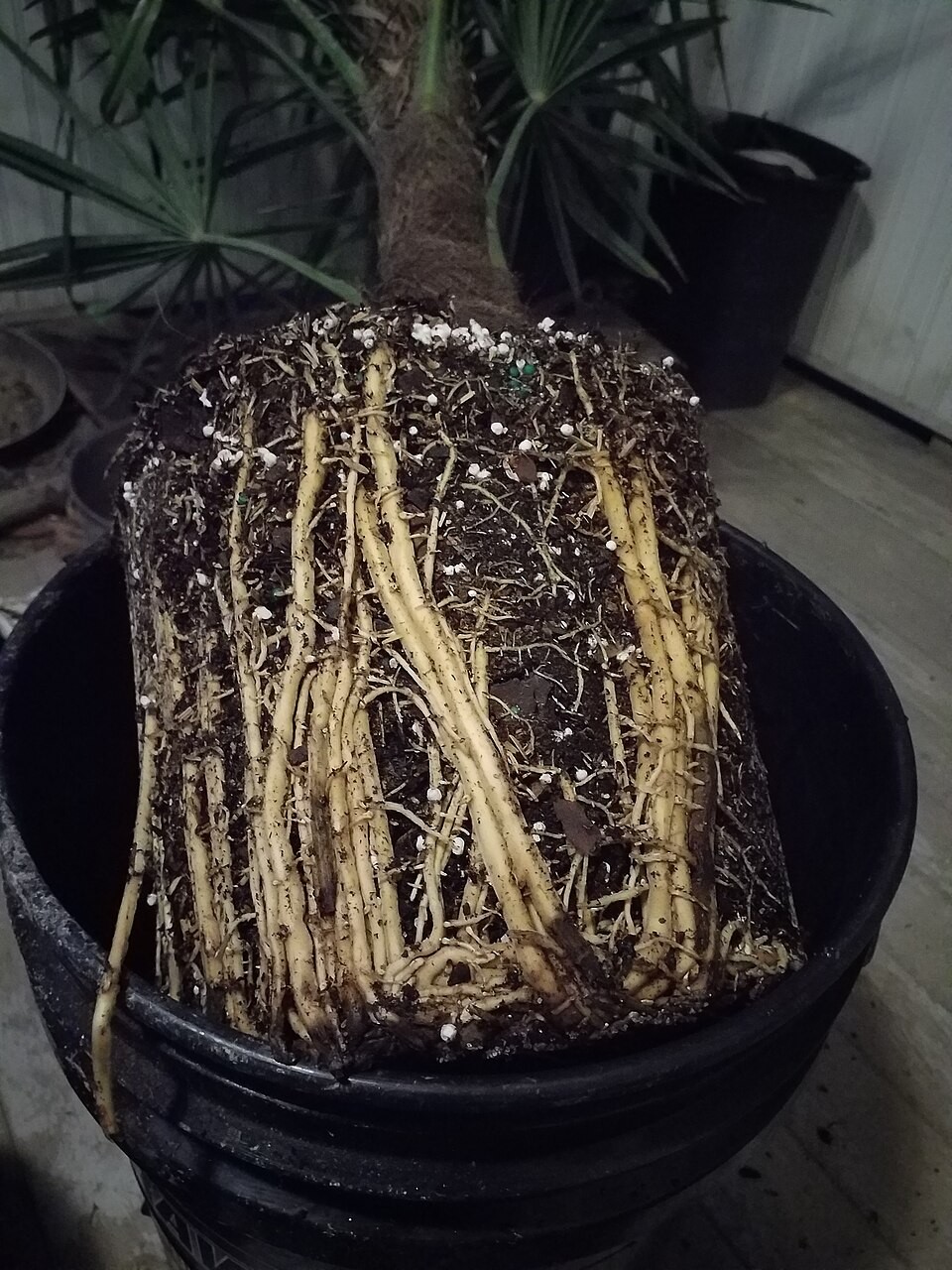

A tree can leave the nursery and still carry the geometry of its pot. Roots that turn along a smooth container wall may continue growing in an unfavorable pattern, while systems designed to redirect or air-prune roots can encourage branching. For growers, the interesting question is not which pot looks more advanced. It is whether the resulting root architecture survives handling and helps the tree establish on the intended site.
What a long-term oak study found
A U.S. Forest Service-hosted study compared repeatedly air-root-pruned container-grown swamp white oak with bareroot stock in three plantings that were ten to thirteen years old. At two challenging sites, the air-pruned container stock had substantial advantages in height, diameter or above-ground green weight. At a deep-loess upland site, the difference was small.
That is not proof that all container-grown trees outperform all bareroot trees. The study compared specific production histories and stock types, on particular sites, with a particular species. Its value is that it connects a nursery practice to long-term field observations instead of stopping at a beautiful root photograph.
A separate Forest Service study of longleaf pine compared side-vented containers with solid-walled containers. Some nursery-stage root differences did not translate into height or ground-line diameter differences fourteen months after planting. Together these studies argue for careful species-specific testing.
Build a useful grower trial
Choose one species, one seed source and a consistent production schedule. Randomly assign seedlings to two container systems, keeping substrate, watering, nutrition and light as comparable as possible. Record container dimensions, root-collar diameter, height, root defects and transplant labor.
At planting, inspect a small representative sample of root systems, rather than selecting only the most photogenic. Photograph root direction and branching near the root collar. Note whether roots were cut, loosened or left intact. Then record survival, height and stem diameter at agreed intervals, along with drought, soil and competition conditions.
The most important design choice is a clear question: are you testing root architecture, labor efficiency, survival, or a combination? A system that produces a fibrous root ball but doubles handling time may be attractive for one market and uneconomic for another.
What not to conclude
A root-bound palm photograph illustrates crowding, not a swamp white oak study or a documented Farm Guild trial. Different species react differently. Root pruning can also create wounds and requires good timing and hygiene. Avoid translating a research paper into a blanket sales claim.
Farm Guild Connect exists to help growers compare practical methods and share reproducible evidence. A regional network could make small trials more valuable by agreeing on the same measurements across farms. That is a proposed collaborative experiment, not a completed study or funded program.
Read the original sources
research.fs.usda.gov ↗research.fs.usda.gov ↗Sources checked October 29, 2026. Time-sensitive details should be checked again before acting.
There is more to discover.
Explore more stories →