A winter field is not necessarily an empty field
After a harvest, a field can appear finished for the year.

Ask a narrow field question
After a harvest, a field can appear finished for the year. Under the surface, however, the choice to leave soil bare or keep it covered changes what happens through the next season.
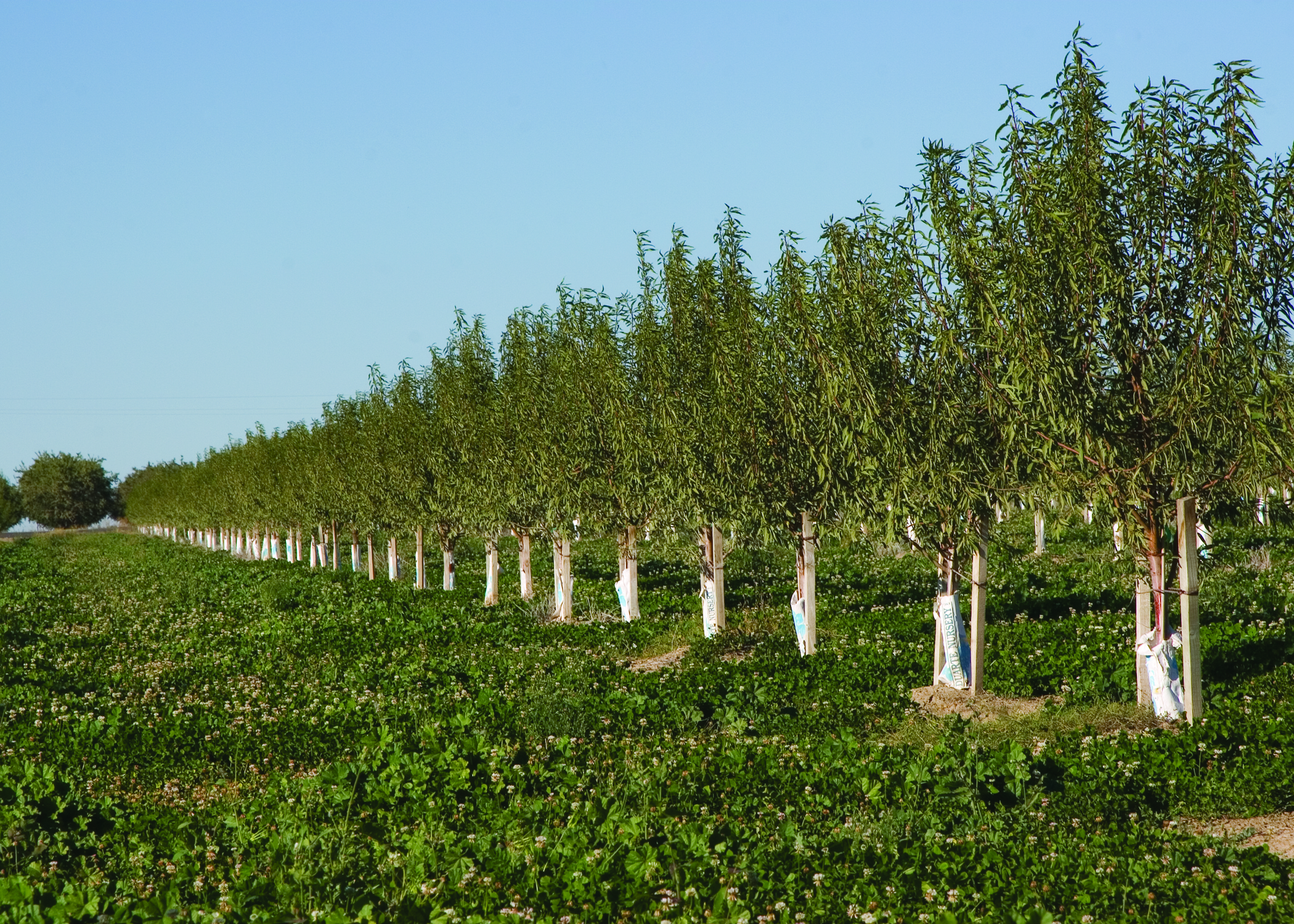
USDA's Natural Resources Conservation Service describes cover crops as plants grown during fallow periods to protect soil and support the following crop. Depending on the species, local soil and management, cover crops can reduce erosion and nutrient losses, support soil organisms, and improve water infiltration. They are not a guaranteed fix for every farm.
Make the comparison fair
The more interesting question for Farm Guild Connect is how growers learn what works on their own ground. A small vegetable farm, a perennial nursery and a grain operation may need very different choices. One grower is concerned about spring planting dates. Another is watching waterlogged patches. Another needs to avoid a cover crop becoming a weed problem.
Here is a simple regional trial: choose two comparable small areas. Record what grew there, how much residue remains, and the soil surface before winter. On one area, use a locally appropriate cover-crop practice; on the other, retain the usual management as a comparison. Record planting date, seed costs, weather, spring ground conditions and any changes to crop establishment. A meaningful comparison also recognizes that plots are rarely identical.
Keep the record useful
The goal is not to publish a universal ranking of seeds. It is to collect useful, honestly limited observations and share them with a local network. A young grower learns from the person who already knows the field. A veteran grower may learn a newer technique worth testing. Both should be able to distinguish a successful experiment from a marketing claim.
NRCS provides soil-health guidance and information about possible conservation assistance. Advice needs to match the farm and state. In a regional guild, the real resource is not merely a PDF about cover crops. It is a community that compares what actually happened.
Choose a trial you can finish
Before buying seed, decide what the comparison is meant to answer. Is the concern winter ground cover, spring access, the cost of establishment or interference with the next crop? A trial with four unanswered questions is harder to interpret than one with a clear objective. Plan the spring decision at the same time as the autumn planting. Ask a local adviser about species choice, timing and termination before committing an area. Keep the trial small enough that a disappointing result will not compromise the following crop. No particular cover-crop species is prescribed here for an unseen site.
Share the cost as well as the photograph
A useful guild report includes seed, establishment work, follow-up labor and what happened when the next crop was due. Take photographs from the same positions and keep dates with them. Record a poor stand as carefully as a good one. Differences in weather or drainage may explain more than the treatment, so describe those limits before making a recommendation to a neighbor. A small comparison can suggest what to investigate next without proving a farm-wide yield benefit. When farmers exchange both the practical expense and the observation, they can judge whether an idea fits their own ground and schedule.
Read the original sources
www.nrcs.usda.gov — cover crops for soil health ↗www.nrcs.usda.gov — soil health and small scale agriculture ↗www.nrcs.usda.gov — soil health on cropland ↗Sources checked October 24, 2026. Time-sensitive details should be checked again before acting.
There is more to discover.